
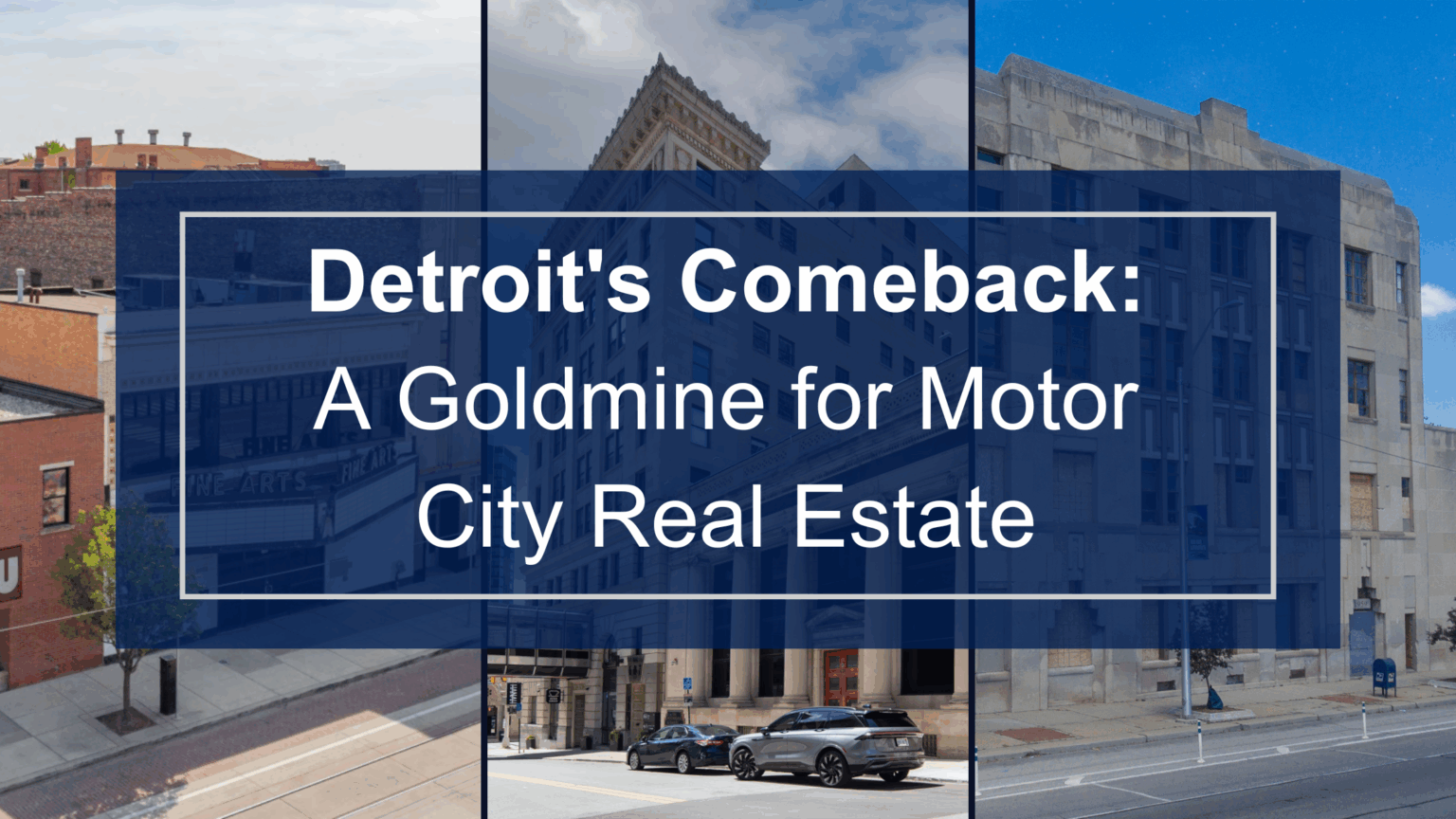
Motor City Real Estate is on the rise again. Detroit welcomed 6,791 new residents in 2024—the city’s largest population gain since 1957.
With over $1.5 billion in development projects and massive infrastructure upgrades, the city is becoming a hotbed for real estate investors, developers, and visionaries.
Among the opportunities leading the charge are three standout properties, each offering a unique angle on Detroit’s ongoing revival.
625 Shelby Street: A Financial District Anchor for Motor City Real Estate
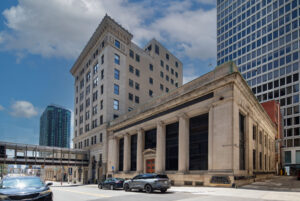
This 15,970-square-foot architectural gem, constructed in 1910 and renovated in 2013, is perfectly positioned in downtown’s Financial District.
Just steps from Campus Martius Park and the bustling Detroit RiverWalk, this property offers direct access to over 3 million annual visitors.
Why It’s a Smart Investment
– Located within walking distance of major developments like the $684M Hudson’s Tower
– Excellent transit options with the QLine streetcar and People Mover nearby
– Adaptive reuse potential with zoning that supports ground-floor retail, boutique office space, or a basement speakeasy
The surrounding market supports this strategy. The neighboring 607 Shelby is 95%+ leased with creative offices and hospitality tenants, demonstrating demand for well-located mixed-use buildings.
Incentives & Returns
With potential eligibility for PA 146, PA 255, and historic tax credits, developers can cut costs significantly.
An $8–12 million investment here could yield impressive returns, particularly given the Class A office space rates of $23.65 PSF and rising residential demand downtown.
1959 E Jefferson Ave: An Art Deco Masterpiece in Motor City Real Estate
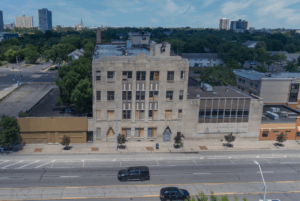 Known as the “Saturday Night Building,” this 68,000+ square-foot structure is a redevelopment opportunity like no other.
Designed by Wirt Rowland in 1929, this Art Deco landmark sits at the entrance of the Dequindre Cut Greenway, just steps from the Detroit River.
Location & Strategy
This area is booming. Jefferson East has attracted $120M+ in recent investments, including Orleans Landing and upgrades by the Detroit Riverfront Conservancy.
The building’s proximity to the QLine, I-375, and new streetscapes enhances its walkability and transit access.
Developers can consider:
- Ground-floor retail with residential lofts
- A boutique hotel serving nearby venues like the Aretha Franklin Amphitheatre
- Creative coworking or tech offices
Incentives & Proof of Concept
- Qualifies for Opportunity Zone tax benefits and PA 146/147/210 abatements
- Eligible for historic tax credits
- Similar projects like the Park Avenue Building show successful redevelopment with high ROI
2952-2954 Woodward Avenue: Entertainment District Core of Motor City Real Estate
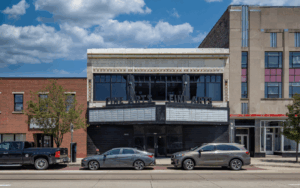 Directly across from Little Caesars Arena, this 8,000-square-foot former Fine Arts Theatre offers tremendous value in Brush Park, one of Detroit’s fastest-growing neighborhoods. Designed by Charles Howard Crane, the structure boasts over 30-foot ceilings, making it ideal for restaurants, events, or mixed-use conversions.
A Neighborhood on the Rise
– Surrounded by $1.5 billion in investments from District Detroit
– Close to City Modern ($70M+) and Brush Watson ($49M+) residential projects
– Serves an influx of 1,750+ new units coming online in 2024
Thanks to Brush Park’s Form-Based Code, this property has streamlined zoning approval. It qualifies for PA 210, Historic District credits, and Opportunity Zone benefits—making redevelopment both easier and more profitable.
Why Motor City Real Estate is Booming
Detroit is no longer a one-industry town. The Michigan Central Station redevelopment into a 1.2M-square-foot innovation hub led by Ford is employing 5,000+ professionals. Infrastructure projects have added over $500M in improvements, while real estate fundamentals remain strong:
- Industrial vacancy rate: 3.7%
- Median home price growth: 26.9% YoY
- Office vacancy: 20.8% (creating adaptive reuse opportunities)
According to the Urban Land Institute, Detroit ranks 17th among 81 cities for emerging trends in 2025—a strong sign of investor confidence.
Conclusion: Invest in Motor City Real Estate Before the Window Closes
From adaptive reuse in the Financial District to historic redevelopment near the Riverfront and entertainment-focused builds in Brush Park, these three properties embody the vast potential of Motor City Real Estate. Whether you’re a local developer or an out-of-state investor, the time to act is now.
Don’t miss out on Detroit’s revival. Contact us now to explore these transformative opportunities and unlock the full potential of your next investment.