
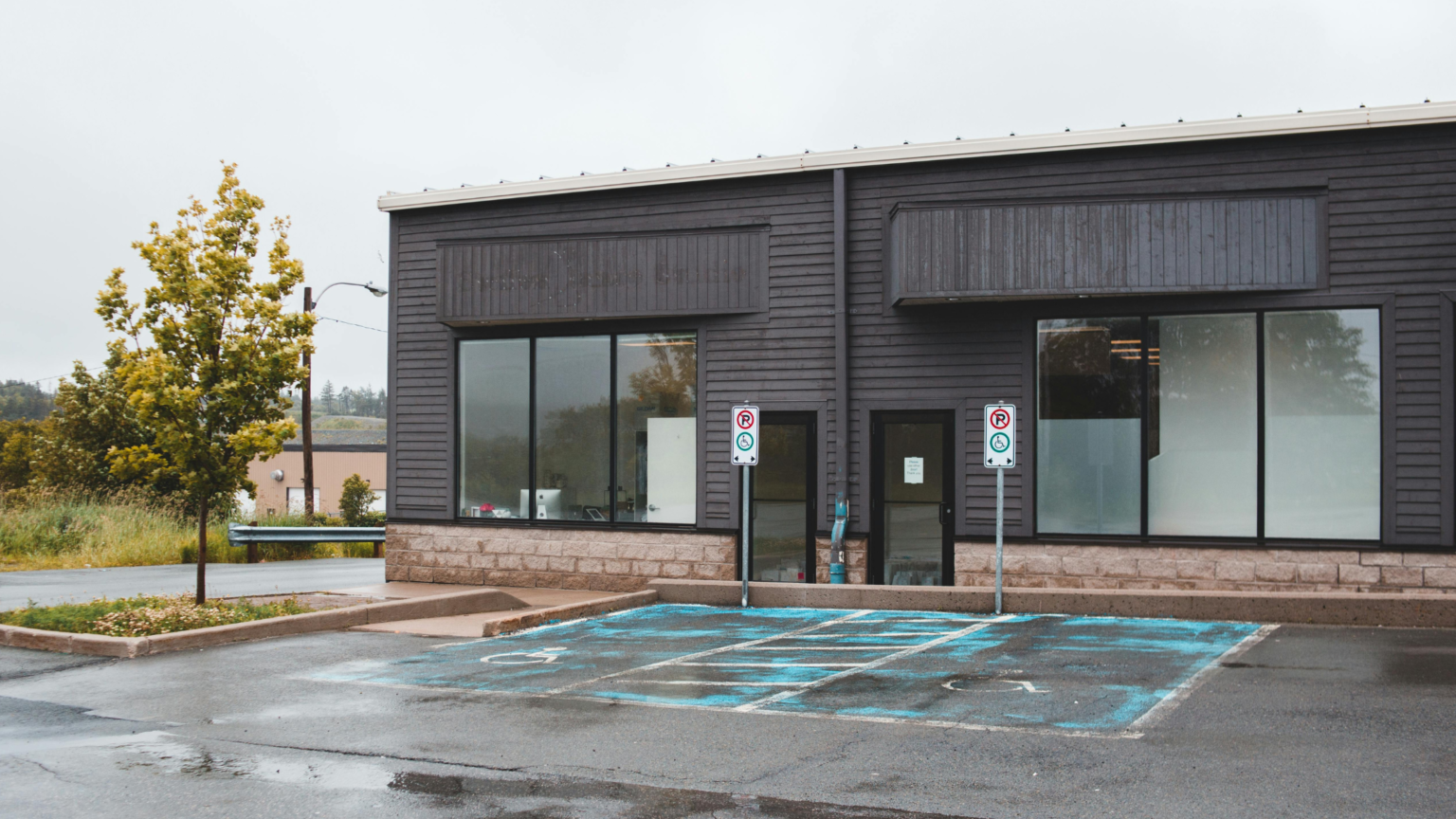
A vacant building is often something that makes investors nervous, and for good reason. An empty commercial property can immediately raise questions about why the space is unoccupied, how long it has been vacant, and whether there is enough demand in the market to attract a new tenant.
But vacancy does not automatically mean that a property is a bad investment. In commercial real estate, the more important question is not simply whether the building is vacant, but why it is vacant and whether that situation creates an opportunity for an investor who understands the market.
Why Do Investors Run Away From Vacant Buildings?
Most investors naturally prefer properties that already have tenants in place. A building with occupancy can provide a sense of stability, while a vacant property can create uncertainty about future income and the amount of work that may be required to make the asset successful.
That uncertainty is one of the biggest reasons investors may immediately move on when they see a vacant property. However, walking away simply because a building is empty could mean missing an opportunity that deserves a closer look.
The Real Question Is: Why Is It Vacant?
When evaluating a vacant building, one of the most important questions an investor can ask is why the property is sitting empty. The answer can tell you much more about the potential investment than the vacancy itself.
For example, is the market weak, or is there another reason the property has not attracted tenants? Understanding the circumstances behind the vacancy can help an investor determine whether they are looking at a serious problem or a potential opportunity.
Is the Market Weak?
The condition of the surrounding market plays an important role in determining whether a vacant property is worth considering. If the market is weak and there is limited demand for commercial space, filling the building could be a significant challenge.
In that situation, the vacancy may be pointing to a larger market problem rather than an isolated issue with the property. Investors need to understand what is happening in the market before deciding whether the vacant asset represents an opportunity or simply carries too much risk.
Did Ownership Neglect the Property?
Another possibility is that the market itself is not the problem. Sometimes, a building may be vacant because previous ownership neglected the property or failed to position the asset effectively for the current market.
If the property has been overlooked or poorly managed, the vacancy may not necessarily reflect the true potential of the asset. This is where taking a closer look can become important, because the right investor may see an opportunity that others have ignored.
Could the Property Be Repositioned?
A vacant building can also create an opportunity to think differently about the asset. If the property no longer meets the needs of the market in its current position, there may be an opportunity to reposition it in a way that makes it more relevant to potential tenants.
Repositioning does not mean that every vacant property can be turned into a successful investment. It means looking beyond the current vacancy and asking whether there is an opportunity to create additional value by understanding what the market needs and how the property could fit into that demand.
Vacancy Creates Risk, But It Can Also Create Value
There is no denying that vacancy creates risk for an investor. Without tenants, there is uncertainty, and that uncertainty needs to be understood before making an investment decision.
At the same time, vacancy can also create value when an investor knows how to evaluate the situation. A property that other investors immediately dismiss may deserve a closer look if the underlying market is strong or if there is a clear reason the building has remained vacant.
Don’t Judge the Property by Its Vacancy Alone
One of the biggest takeaways for commercial real estate investors is that vacancy should not be the only factor used to evaluate a property. An empty building may look like a problem on the surface, but the circumstances behind that vacancy can tell a very different story.
The goal is to understand what is really happening with the property and the market around it. Instead of immediately asking whether a vacant property is a good or bad investment, investors should first ask what caused the vacancy and whether there is an opportunity to change the situation.
Understanding the Market Matters
Market knowledge becomes especially important when evaluating a vacant building. Without understanding the local market, it can be difficult to determine whether the property’s vacancy represents a temporary challenge or a much larger problem.
An investor who understands the market can look at the property differently from someone who is only focused on its current occupancy. That perspective can make it easier to identify situations where vacancy creates an opportunity rather than simply creating risk.
Could a Vacant Building Actually Be a Good Investment?
The answer depends on the circumstances surrounding the property. A vacant building in a weak market may present significant challenges, while a vacant property with an opportunity for repositioning could potentially offer a completely different investment story.
That is why investors should take the time to understand why the building is vacant before making a decision. Vacancy itself is not enough to determine whether an investment is good or bad; the reason behind the vacancy and the conditions of the market are what deserve closer attention.
Take a Closer Look Before Walking Away
It is easy to see an empty commercial property and assume that something must be wrong with it. But commercial real estate investing often requires investors to look beyond what is immediately visible and understand the story behind the asset.
A vacant building can certainly carry risk, but it can also present an opportunity when the market and the circumstances surrounding the property support it. The key is knowing what questions to ask and having enough market knowledge to recognize the difference.
Want to hear the original short video discussing why a vacant property may deserve a second look? Watch the video below to hear more about the idea and the questions investors should consider when evaluating a vacant building.
Watch the full short video: Could a Vacant Building Actually Be a Good Investment?